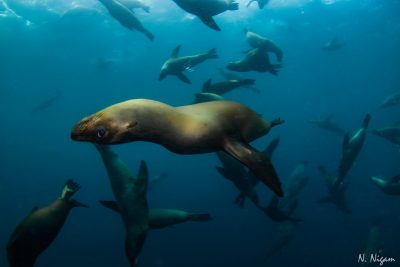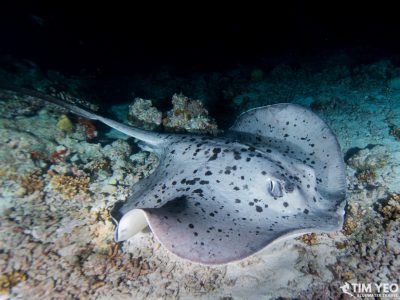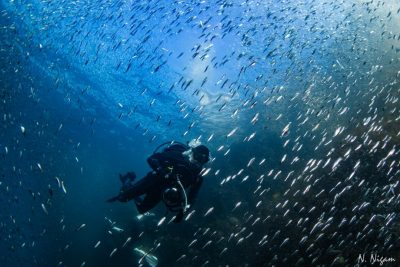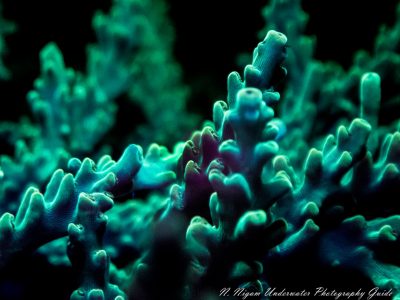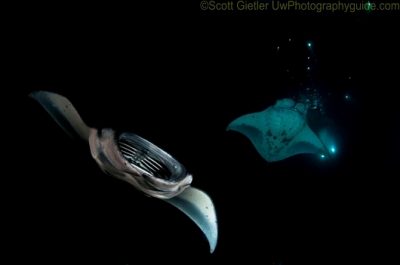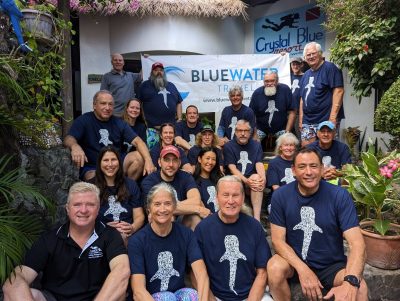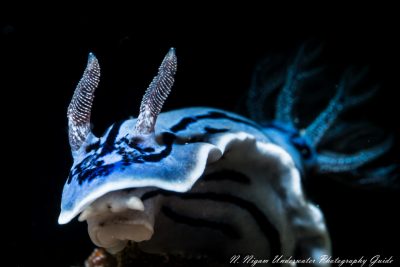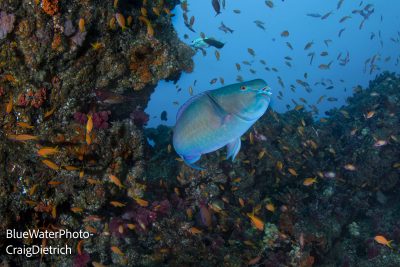
The ocean is a world of wonder, teeming with life, color, and mysteries waiting to be uncovered. If you’re an underwater enthusiast, a passionate diver, or an aspiring marine photographer, we have exciting news for you! The 2023 Ocean Art Competition is here, and it’s your chance to showcase the mesmerizing beauty of the deep […]
The post Enter the 2023 Ocean Art Competition! first appeared on In Focus Underwater Photography Blog.
]]>
The ocean is a world of wonder, teeming with life, color, and mysteries waiting to be uncovered. If you’re an underwater enthusiast, a passionate diver, or an aspiring marine photographer, we have exciting news for you! The 2023 Ocean Art Competition is here, and it’s your chance to showcase the mesmerizing beauty of the deep blue. With over $110,000 in prizes to be won, get ready to enter the biggest underwater photography competition in the world!
What is the Ocean Art Competition?
The Ocean Art Competition is an annual celebration of the ocean’s incredible biodiversity and its importance to our planet. It provides a platform for photographers and divers from all over the world to share their breathtaking underwater images and videos. Whether you’re capturing the grace of a manta ray, the vibrant colors of a coral reef, or the mysterious depths of a shipwreck, this competition welcomes entries from all genres of underwater photography and videography.
Highlights from the 2022 Ocean Art Competition:
Before we dive into the details of the 2023 competition, let’s take a moment to celebrate some of the top prizes won in the 2022 Ocean Art Competition. These stunning entries showcase the immense talent and dedication of underwater photographers:
What to Expect in the 2023 Ocean Art Competition:
Now that you’ve witnessed the incredible talent on display in the 2022 competition, it’s time to get excited about the 2023 Ocean Art Competition! While the competition continues to honor the best in underwater photography and videography, this year promises even more spectacular entries, prizes, and opportunities to showcase the ocean’s wonders.
Get your cameras ready, start exploring the depths, make your edits, and join us in celebrating the 2023 Ocean Art Competition. Together, let’s capture the essence of our planet’s most precious and awe-inspiring realm – the ocean!
The post Enter the 2023 Ocean Art Competition! first appeared on In Focus Underwater Photography Blog.
]]>
The Maldives, an archipelago of over 1,000 coral islands scattered across the Indian Ocean, is a tropical paradise renowned for its pristine beaches, crystal-clear waters, and vibrant marine life. While the Maldives is a dream destination for sun-seekers and divers alike, it holds a special allure for underwater photographers. With its breathtaking coral reefs, diverse […]
The post Capturing the Hidden Beauty: Underwater Photography in the Maldives first appeared on In Focus Underwater Photography Blog.
]]>
The Maldives, an archipelago of over 1,000 coral islands scattered across the Indian Ocean, is a tropical paradise renowned for its pristine beaches, crystal-clear waters, and vibrant marine life. While the Maldives is a dream destination for sun-seekers and divers alike, it holds a special allure for underwater photographers. With its breathtaking coral reefs, diverse marine species, and unique underwater landscapes, the Maldives offers a captivating canvas for photographers to explore and capture the magic of the deep. In this blog, we’ll dive into the world of underwater photography in the Maldives and discover why it’s a paradise for photographers.

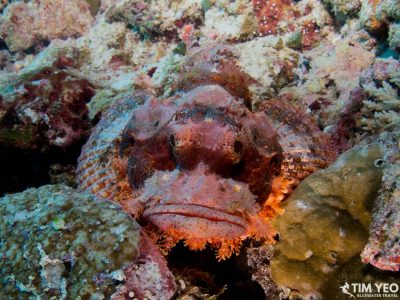
Scorpionfish by Tim Yeo
1. The Magical Coral Reefs
The Maldives is home to some of the most exquisite coral reefs on the planet. These intricate underwater ecosystems provide endless opportunities for photographers to capture vibrant colors and textures of corals. From branching corals that resemble delicate works of art to massive coral formations that shelter various fish species, the coral gardens of the Maldives are a sight to behold.
Underwater photographers can use multiple techniques to showcase the beauty of coral reefs. Close-up shots of individual corals highlight their intricate patterns and vibrant hues, while wide-angle shots capture the grandeur of entire reef systems. When the sunlight filters through the water, it creates stunning effects, casting enchanting shadows and illuminating the underwater world with an ethereal glow.
2. Marine Life Extravaganza
One of the primary draws for underwater photographers in the Maldives is the rich diversity of marine life. The warm, nutrient-rich waters attract an abundance of sea creatures, from tiny, colorful reef fish to larger pelagic species. Snorkelers and divers can encounter graceful manta rays, majestic whale sharks, and playful dolphins, among many others.

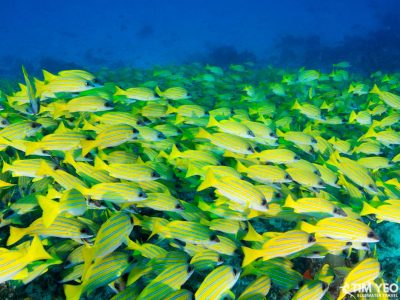
Schooling Fish in the Maldives
Capturing the essence of marine life requires patience, skill, and the right equipment. Macro photography allows photographers to get up close and personal with tiny critters like nudibranchs and shrimp, revealing intricate details unseen by the naked eye. On the other hand, wide-angle photography is ideal for showcasing the sheer size and grace of large creatures like sea turtles or sharks. Regardless of your subject, the Maldives offers an array of opportunities to capture the wonders of the underwater world.
3. Unique Underwater Landscapes
The Maldives is not just about coral reefs and marine life; it also boasts unique underwater landscapes. One such feature is the vibrant and mysterious underwater caves and caverns. These natural formations provide dramatic backdrops and intriguing compositions for underwater photographers.
Additionally, submerged shipwrecks offer a glimpse into history and create eerie yet captivating scenes that photographers can explore. The juxtaposition of marine life taking residence in and around these wrecks creates stunning visual narratives.
4. Tips for Underwater Photography in the Maldives
To make the most of your underwater photography adventure in the Maldives, consider the following tips:
Underwater photography in the Maldives is an immersive experience that allows photographers to capture the hidden beauty of the ocean. Whether you’re a seasoned underwater photographer or a novice with a passion for marine life, the Maldives offers opportunities to hone your skills and create stunning images that showcase the mesmerizing underwater world. So, grab your camera, don your snorkel or scuba gear, and get ready to capture the magic of the Maldives beneath the waves. Your underwater adventure awaits!
The post Capturing the Hidden Beauty: Underwater Photography in the Maldives first appeared on In Focus Underwater Photography Blog.
]]>
Imagine a world beneath the waves, a realm where gravity seems to fade away, and colors take on a new vibrancy. This is the captivating world of underwater photography, where scuba divers explore the depths while preserving their adventures through the lens. If you’re a passionate diver and want to capture the essence of your […]
The post Capturing the Magic: Photographing Scuba Divers Underwater first appeared on In Focus Underwater Photography Blog.
]]>
Imagine a world beneath the waves, a realm where gravity seems to fade away, and colors take on a new vibrancy. This is the captivating world of underwater photography, where scuba divers explore the depths while preserving their adventures through the lens. If you’re a passionate diver and want to capture the essence of your underwater escapades, or if you’re a proud parent looking to immortalize your children’s scuba diving holiday memories, underwater photography offers a unique and rewarding creative outlet.
Before you dive into the art of underwater photography, it’s crucial to have the right equipment. While basic waterproof cameras or phone cases might work for snorkeling, scuba diving demands specialized gear to ensure safety and quality shots.
Invest in an underwater housing for your camera that’s compatible with your model. This will safeguard your camera from water damage while allowing you to control its settings. A sturdy wrist strap or lanyard can prevent accidents.
Safety should always be a top priority. Ensure that you and your subjects are proficient in diving skills and familiar with the equipment. Adequate training and certification are essential for a safe and enjoyable experience.
Underwater photography presents unique challenges due to light and color distortion, as well as the need to maintain buoyancy and stability. Understanding these challenges is key to capturing stunning images.
Like all forms of photography, composition is crucial. Consider the following tips to compose captivating underwater shots:
When photographing scuba divers, especially your children, candid moments can be incredibly precious. To capture these authentic interactions and emotions:
Post-processing plays a significant role in underwater photography. While editing, keep the following in mind:
In the end, photographing scuba divers underwater, whether your children or fellow enthusiasts, is an exhilarating way to capture the beauty and mystery of the underwater world. It requires practice, patience, and a passion for both photography and diving. So, dive in and capture those unforgettable moments that can be cherished for years to come.
Head over to the Store to find the latest underwater camera gear and accessories here.
Learn about planning a scuba diving holiday with children here.
Join an Underwater Photography Workshop with Bluewater Travel to improve your photography skills in some of the world’s best dive destinations. Click here to view upcoming trip information.
The post Capturing the Magic: Photographing Scuba Divers Underwater first appeared on In Focus Underwater Photography Blog.
]]>
Underwater photography is a captivating realm that unveils the secrets of the underwater world, revealing stunning marine life and breathtaking seascapes. While the art of underwater photography has been widely explored, there exists a fascinating and relatively obscure aspect that adds an enchanting twist to these images – biofluorescence. In this blog post, we’ll dive […]
The post Illuminating Underwater Photography with Fluorescence first appeared on In Focus Underwater Photography Blog.
]]>
Underwater photography is a captivating realm that unveils the secrets of the underwater world, revealing stunning marine life and breathtaking seascapes. While the art of underwater photography has been widely explored, there exists a fascinating and relatively obscure aspect that adds an enchanting twist to these images – biofluorescence. In this blog post, we’ll dive into the mesmerizing world of biofluorescence and its relationship with underwater photography, uncovering the hidden beauty that can only be captured through the lens.
Biofluorescence is a phenomenon where certain organisms absorb light at one wavelength and then re-emit it at a longer wavelength. Unlike bioluminescence, which involves the emission of light generated through chemical reactions, biofluorescence is a passive process that relies on the absorption and re-emission of external light. While the exact biological purpose of biofluorescence is not entirely understood, it is believed to play a role in communication, camouflage, and attracting prey.
Underwater, biofluorescence takes on an entirely new dimension. Organisms that appear unassuming during the day transform into radiant, neon-colored creatures under specific lighting conditions. This transformation is the photographer’s gateway to capturing otherworldly and captivating images that transport viewers to an alien underwater realm.
Capturing biofluorescence through the lens of an underwater camera requires a delicate balance of skill, technique, and equipment. Unlike traditional underwater photography, where natural light or artificial strobes are used to illuminate subjects, biofluorescence demands specialized lighting setups. Ultraviolet (UV) or blue lights are essential for triggering the biofluorescent response in organisms, allowing photographers to capture the stunning display of colors.
The results of biofluorescence photography are nothing short of mesmerizing. Photographers armed with the right tools and techniques can unveil a hidden world of glowing corals, shimmering anemones, and neon-hued fish. These images not only offer a unique visual experience but also contribute to our understanding of marine ecosystems and the intricate ways in which organisms interact with their environment.
Beyond its aesthetic appeal, biofluorescence photography has the potential to raise awareness about the delicate balance of underwater ecosystems and the need for conservation efforts. As photographers share their captivating biofluorescent images, they can inspire viewers to appreciate and protect these fragile underwater worlds.
Biofluorescence photography is a captivating niche within the broader realm of underwater photography, offering a glimpse into a world of hidden beauty that only reveals itself under the right conditions. As photographers continue to explore this intriguing phenomenon, they bring to light the enigmatic dance of biofluorescence and its mesmerizing interaction with marine life. Through their lenses, they unlock a captivating visual tapestry that not only delights the senses but also encourages us to safeguard the delicate ecosystems that thrive beneath the waves.
Looking for your next destination? Visit our sister site, Bluewater Travel, to plan your next dream trip with the help of our expert dive travel agents!
Interested in practicing your underwater photography skills with the guidance of a professional? Join one of our underwater photography workshops! Learn more about why you should join a workshop here.
Head over to the Photo Store for the latest underwater camera gear and accessories!
The post Illuminating Underwater Photography with Fluorescence first appeared on In Focus Underwater Photography Blog.
]]>
Underwater photography is an exciting venture, but when the sun goes down, a whole new world of possibilities awaits. Night dives offer a unique opportunity to capture the mesmerizing beauty of nocturnal marine life. However, venturing into the darkness can be challenging for photographers. Don’t fret, though! We’ve compiled some valuable tips to help you […]
The post Tips for Underwater Photography on Night Dives first appeared on In Focus Underwater Photography Blog.
]]>
Underwater photography is an exciting venture, but when the sun goes down, a whole new world of possibilities awaits. Night dives offer a unique opportunity to capture the mesmerizing beauty of nocturnal marine life. However, venturing into the darkness can be challenging for photographers. Don’t fret, though! We’ve compiled some valuable tips to help you master the art of underwater photography on night dives:
With these tips in mind, you’ll be ready to embark on a captivating adventure into the mysterious realm of underwater night photography. Remember, practice makes perfect, and the more you explore this fascinating world, the more breathtaking images you’ll capture. So dive in, be patient, and let the magic of the night unfold before your lens.
Capture incredible underwater images on night dives with the latest underwater photography gear from the Bluewater Photo Store.
Looking for your next dive destination? Contact the experts at Bluewater Travel to plan your next holiday!
Learn about photographing the unique phenomenon of biofluorescence here.
Read about photography in the Maldives here.
The post Tips for Underwater Photography on Night Dives first appeared on In Focus Underwater Photography Blog.
]]>
Exploring the enchanting world beneath the waves is a captivating experience, and for many, capturing its beauty through underwater photography is an artistic pursuit like no other. Whether you are a seasoned underwater photographer or a budding enthusiast, participating in a Bluewater Travel Underwater Photography Workshop can take your skills to new depths, and maybe […]
The post 5 Reasons to Join a Bluewater Travel Underwater Workshop first appeared on In Focus Underwater Photography Blog.
]]>
Exploring the enchanting world beneath the waves is a captivating experience, and for many, capturing its beauty through underwater photography is an artistic pursuit like no other. Whether you are a seasoned underwater photographer or a budding enthusiast, participating in a Bluewater Travel Underwater Photography Workshop can take your skills to new depths, and maybe even win some prizes. These workshops are designed to offer a unique and enriching experience for photographers of all levels. Let’s dive into five compelling reasons why underwater photographers should consider joining a Bluewater Travel workshop:
Bluewater Travel gathers some of the most accomplished and talented underwater photographers as mentors for their workshops. These professionals have years of experience and an in-depth understanding of the marine world and photography techniques. As a workshop participant, you’ll have direct access to their wealth of knowledge, receiving personalized feedback and guidance to enhance your skills. Their insights can significantly accelerate your learning curve, helping you master the art of capturing mesmerizing underwater images.
One of the highlights of a Bluewater Travel Underwater Photography Workshop is the opportunity to explore some of the world’s most pristine dive destinations. These workshops are often organized in locations known for their abundant marine life, vibrant coral reefs, and crystal-clear waters. From the turquoise waters of the Caribbean to the biodiversity-rich waters of Southeast Asia, each destination offers a unique photographic playground. Not only will you improve your photography skills, but you’ll also create memories of unforgettable dives in some of the planet’s most breathtaking underwater landscapes.
The best way to learn underwater photography is through hands-on experience. During a Bluewater Travel workshop, you’ll participate in guided dives with your mentors who will help you apply photography techniques in real-time situations. Additionally, the workshops include informative sessions and workshops that cover various aspects of underwater photography, including composition, lighting, camera settings, and post-processing. These sessions are interactive, allowing you to ask questions and engage in discussions with your mentors and fellow participants.
Bluewater Travel ensures that their workshops maintain a small group environment. This means more personalized attention from mentors and an intimate setting that fosters a strong sense of camaraderie among participants. The small group size allows for better communication, feedback, and a chance to connect with like-minded individuals who share your passion for underwater photography. Lifelong friendships and a supportive network of fellow photographers often result from these workshops, making them an excellent choice for solo dive travelers.
Beyond just taking stunning images, underwater photographers have a responsibility to protect the delicate marine ecosystems they capture. Bluewater Travel emphasizes ethical diving and environmentally-friendly photography practices during their workshops. Participants are educated on how to minimize their impact on marine life and coral reefs, ensuring that they leave behind only bubbles and memories. Some workshops collaborate with local conservation organizations, fostering a deeper understanding of the importance of marine conservation efforts.
In conclusion, a Bluewater Travel Underwater Photography Workshop is a remarkable opportunity for underwater photographers to grow their skills, explore breathtaking dive sites, and contribute to marine conservation efforts. The guidance of accomplished mentors, combined with hands-on learning and an emphasis on ethical practices, make these workshops an enriching and unforgettable experience. So, whether you are an experienced photographer looking to take your craft to new depths or a novice eager to plunge into the world of underwater photography, joining a Bluewater Travel workshop might just be the splash of inspiration you need. Join one of the upcoming workshops today!
To learn what to expect on a Bluewater Travel Underwater Photography Workshop, read about previous trips here.
Looking for new underwater photo gear? Head over to the store to find the latest cameras, lights, and more!
New Review: Read about our experience shooting with the Nikon Z8 here.
Heading on a liveaboard? Learn about how to keep your batteries charged onboard.
Don’t forget to purchase travel insurance before you depart on a trip! Learn more about the importance of travel insurance here.
The post 5 Reasons to Join a Bluewater Travel Underwater Workshop first appeared on In Focus Underwater Photography Blog.
]]>
Underwater photography is a captivating and exhilarating realm, offering a unique perspective of the underwater world’s enchanting beauty. It allows us to capture the mysterious marine life, vibrant coral reefs, and the play of light beneath the surface. However, shooting underwater photos is just the beginning of the journey; the real magic lies in the […]
The post Enchanting Depths: Mastering Underwater Edits first appeared on In Focus Underwater Photography Blog.
]]>
Underwater photography is a captivating and exhilarating realm, offering a unique perspective of the underwater world’s enchanting beauty. It allows us to capture the mysterious marine life, vibrant coral reefs, and the play of light beneath the surface. However, shooting underwater photos is just the beginning of the journey; the real magic lies in the art of editing these images to enhance their splendor and reveal the hidden wonders beneath the waves.
1. Embrace the Blue Hues: Water has a natural blue tint that can dominate underwater photos. Embrace this characteristic rather than trying to remove it. Enhance and fine-tune the blues to bring out the depth and clarity of the image. Utilize color correction tools to balance the tones while maintaining the underwater ambiance.
2. Adjust White Balance: Due to the absorption of different wavelengths of light, the colors may appear distorted in your underwater shots. Correcting the white balance is crucial to restore the natural colors of the subjects. Utilize tools in photo-editing software to achieve accurate color representation and a more vibrant result.
3. Enhance Contrast and Clarity: Underwater images often suffer from reduced contrast and softness due to light diffusion. Carefully apply contrast adjustments to make the subjects pop and restore clarity to your photo. However, avoid over-editing, as it can lead to unrealistic results.
4. Dive into Detail: Underwater scenes are teeming with intricate details. Use sharpening and detail enhancement tools to bring out these fine features, such as scales on a fish or the texture of coral. These enhancements can make your photo more captivating and help viewers appreciate the hidden intricacies.
5. Eliminate Backscatter: Backscatter occurs when tiny particles in the water reflect light back into the camera, resulting in undesirable specks or haze in your photo. Use spot healing or clone stamp tools to remove these distractions and achieve a cleaner composition.
6. Play with Lighting: Underwater lighting can be tricky to control but offers exciting creative possibilities. Experiment by adjusting highlights and shadows to add drama to your shot. Use vignettes subtly to draw attention to the central subject while reducing distractions at the edges.
7. Mind the Composition: As with any form of photography, composition is essential for underwater shots. Crop and align your photos to improve their visual impact. Focus on creating a balanced composition to guide the viewer’s gaze through the frame.
8. Don’t Forget the Rule of Thirds: Apply the rule of thirds to add balance and interest to your images. By placing the main subjects or key elements along imaginary lines and intersections, you create a visually engaging composition that’s pleasing to the eye.
9. Dive into Black and White: Not every underwater photo needs to be in color. Converting images to black and white can add a sense of timelessness and drama to the scene. Experiment with different monochrome tones and contrasts to evoke specific emotions.
10. Tell a Story: Lastly, use photo editing to convey a story or message through your underwater images. Whether it’s capturing the delicate dance of marine life or documenting an environmental issue, powerful storytelling can elevate your photographs from visually stunning to emotionally impactful.
In conclusion, editing underwater photos is an art form that allows photographers to enhance the inherent beauty of these mysterious worlds. With the right techniques and a creative approach, underwater photography becomes an enchanting and immersive experience for both the photographer and the audience. So, dive in and explore the depths, for there’s a whole world of wonders waiting to be captured and revealed through the lens and the art of editing.
Visit the Bluewater Photo Store for all your underwater photography needs including sales, rentals, reviews, and more!
Join one of Bluewater Travel’s Underwater Photography Workshops to learn more techniques to improve your skills while diving one of the best destinations in the world!
Read our post about the Future of Underwater Photography here.
The post Enchanting Depths: Mastering Underwater Edits first appeared on In Focus Underwater Photography Blog.
]]>The post Powering Up: Charging Batteries on a Liveaboard first appeared on In Focus Underwater Photography Blog.
]]>On a liveaboard adventure, having a reliable power source for charging batteries is essential to keep your electronic devices functioning throughout your diving experience. By understanding the power situation, carrying spare batteries, investing in portable power banks and solar chargers, coordinating charging times, and practicing power conservation, you can ensure your equipment remains powered up. With a well-planned approach to charging batteries, you can focus on what matters most – diving into the depths and immersing yourself in the awe-inspiring beauty of the underwater world. Happy diving and happy charging!
To plan your next liveaboard holiday, contact the experts at Bluewater Travel here.
Further Reading
Top Tips for Liveaboard Packing
Welcome to the World of Liveaboard Diving
Best Liveaboard Destinations for Beginner Divers
Use a Packing List and Check it Twice: A Cautionary Tale
The post Powering Up: Charging Batteries on a Liveaboard first appeared on In Focus Underwater Photography Blog.
]]>
Scuba diving in Africa is a thrilling and diverse, known for it’s incredible diving opportunities, with abundant marine life, stunning coral reefs, and unique underwater landscapes. Africa’s coastal waters are teeming with marine biodiversity, providing divers with the opportunity to encounter an array of fascinating species. From colorful coral reefs to large pelagic creatures, Africa’s […]
The post Best Scuba Diving Destinations in Africa first appeared on In Focus Underwater Photography Blog.
]]>
Scuba diving in Africa is a thrilling and diverse, known for it’s incredible diving opportunities, with abundant marine life, stunning coral reefs, and unique underwater landscapes. Africa’s coastal waters are teeming with marine biodiversity, providing divers with the opportunity to encounter an array of fascinating species. From colorful coral reefs to large pelagic creatures, Africa’s waters are home to a rich variety of fish, sharks, dolphins, turtles, and even whales in some areas.
Many diving destinations in Africa provide thrilling encounters with big marine life. From swimming with whale sharks in Mozambique and Tanzania to observing manta rays in Mozambique’s Tofo, there are opportunities to dive alongside some of the ocean’s largest and most majestic creatures. Other exciting encounters include sharks (such as tiger sharks, bull sharks, and hammerhead sharks) at the well known Aliwal Shoal. The most exciting encounter one will have is know as the biggest ocean migration in the world, commonly know as the Sardine Run which happens off the East Coast of South Africa.
Whether you’re a beginner or an experienced diver, Africa has something to offer for everyone. Here are some of the best diving destinations in these regions:
Located on the southernmost tip of the continent, South Africa is a popular destination for adventurers. Great white sharks, sardine runs, and a variety of bucket list animals can be found off the coast of South Africa. Aside from the truly spectacular scuba diving in South Africa, the region is also famous for its nature reserves and wildlife safaris.
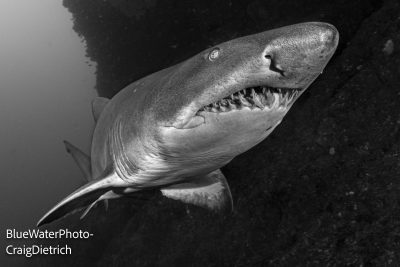
Shark in South Africa
Sodwana Bay is renowned for its pristine coral reefs, which are part of the iSimangaliso Wetland Park, a UNESCO World Heritage Site. The reefs are teeming with vibrant corals, colorful sponges, and a vast array of marine life. The warm waters and excellent visibility make it a paradise for underwater photography and marine exploration.
Diving in Sodwana Bay allows you to encounter a wide variety of marine species. You can expect to see a colorful array of tropical fish, including butterflyfish, angelfish, and parrotfish. The reefs are also home to numerous species of moray eels, octopuses, and various crustaceans. It is also common to have close encounters with larger marine creatures like turtles, reef sharks, and rays as they gracefully swim through the waters.
Aliwal Shoal’s reputation as a world-class diving location stems from its unique combination of factors. The shoal is home to a variety of shark species, including the iconic ragged-tooth sharks, tiger sharks, and blacktip sharks. These magnificent creatures can often be encountered during dive expeditions, providing divers with the awe-inspiring opportunity to observe them up close and witness their natural behavior. Read more about diving with sharks at Aliwal Shoal here.
One of the highlights of diving on Aliwal Shoal is the chance to witness the captivating congregation of ragged-tooth sharks during their breeding season. As these majestic creatures gather in large numbers around sites such as Raggies Cave, divers have a rare opportunity to witness their calm and mesmerizing presence in their natural habitat. The encounters with these sharks are a true marvel of nature and leave a lasting impression on all who experience them.
Beyond the thrilling shark encounters, Aliwal Shoal offers a vibrant and diverse marine ecosystem. The coral reefs are adorned with colorful corals, sponges, and an abundance of reef fish, creating a kaleidoscope of underwater beauty. Dolphins, turtles, rays, and an array of other marine species also call these waters home, making every dive an exploration of a thriving and intricate underwater world.
The Sardine Run of South Africa is a breathtaking natural phenomenon that occurs annually along the country’s east coast. Known as the greatest marine migration on Earth, this incredible event draws divers, photographers, and wildlife enthusiasts from around the world.
During the winter months of May to July, massive schools of sardines, numbering in the millions, migrate along the coastline. This incredible spectacle is driven by the colder waters of the Agulhas Current, which push the sardines northwards along the KwaZulu-Natal coast.
The Sardine Run attracts not only sardines but also a multitude of predators that follow in pursuit of the abundant food source. Dolphins, sharks, whales, and seabirds form massive feeding frenzies, creating a mesmerizing display of natural cooperation and competition. The skies are filled with diving gannets plunging into the water, while below the surface, dolphins and sharks dart through the shoals in a feeding frenzy.
For divers, the Sardine Run offers an unparalleled opportunity to witness the intricate marine food chain in action. Submerging into the crystal-clear waters, divers can find themselves surrounded by swirling walls of sardines, as predators seize the opportunity to hunt. The underwater world comes alive with the energy and intensity of the chase, providing a front-row seat to nature’s spectacle.
Another region popular with the scuba diving community, Mozambique is home to some of the best diving in Africa. Whale sharks, manta rays, and a variety of corals are just some of the underwater attractions. Topside, Mozambique offers stunning landscapes and a variety of flora and fauna to be explored.
Tofo offers a captivating diving destination nestled on the southeastern coast of Mozambique. With its warm waters, abundant marine life, and pristine coral reefs, Tofo has become a paradise for scuba diving enthusiasts seeking an immersive and unforgettable underwater experience.
Situated near Inhambane, Tofo offers a diverse range of dive sites that cater to divers of all levels, from beginners to experienced adventurers. As you descend into the turquoise waters, you’ll be greeted by vibrant coral gardens teeming with an array of colorful fish species. Tofo’s coral reefs are a sight to behold, boasting intricate formations and an abundance of marine biodiversity.
One of the highlights of diving in Tofo is the opportunity to encounter magnificent megafauna. The area is famous for its regular sightings of gentle giants, such as whale sharks and manta rays. From approximately October to April, these majestic creatures migrate through the waters of Tofo, offering divers an awe-inspiring chance to swim alongside them in their natural habitat.
Tofo’s marine ecosystem is also home to a rich variety of other marine species. Keep an eye out for turtles gracefully gliding through the water, playful dolphins dancing in the waves, and an assortment of reef fish darting amongst the coral. From colorful nudibranchs to fascinating moray eels and elusive seahorses, the marine life in Tofo will captivate your senses with its diversity and beauty.
Bazaruto is a tropical paradise located off the coast of Mozambique, offering a scuba diving experience that is nothing short of extraordinary. Nestled in the Bazaruto Archipelago, this pristine marine destination is renowned for its crystal-clear waters, vibrant coral reefs, and an abundance of marine life, making it a haven for divers seeking an unforgettable underwater adventure.
The azure waters surrounding Bazaruto offers a world of remarkable beauty and biodiversity. The coral reefs here are a kaleidoscope of colors, adorned with intricate formations and an astonishing array of marine flora and fauna. From vibrant hard and soft corals to swaying sea fans, the underwater landscape is a sight to behold.
Diving in Bazaruto offers encounters with a diverse range of marine life. Swim alongside graceful manta rays as they glide effortlessly through the water, and witness the majestic presence of large pelagic species like whale sharks and humpback whales, which frequent the area during their seasonal migrations. Keep an eye out for playful dolphins, schools of tropical fish, and even the elusive dugongs that occasionally grace these waters.
The marine biodiversity extends beyond the coral reefs, with fascinating underwater seascapes and diverse ecosystems. Explore submerged pinnacles, underwater canyons, and coral gardens that are home to a myriad of smaller marine creatures, including colorful nudibranchs, crustaceans, and camouflaged octopuses. Bazaruto’s underwater world is a haven for photographers and marine enthusiasts alike, offering endless opportunities for capturing breathtaking moments.
The Quirimbas Archipelago, a hidden gem of scuba diving located off the northern coast of Mozambique. With its pristine waters, untouched coral reefs, and abundant marine life, the Quirimbas offers a unique and captivating diving experience for adventurers seeking to explore its underwater wonders.
As you descend into the azure depths of the Quirimbas, you’ll discover a world teeming with vibrant coral formations, creating a breathtaking underwater landscape. The archipelago is home to a diverse range of coral species, including hard and soft corals, which provide a kaleidoscope of colors and textures. Dive into this underwater paradise and immerse yourself in the beauty of the coral gardens that serve as a habitat for an abundance of marine life.
Possibly the most well known dive site in the Quirimbas is Metundo Canyon. Diving in Metundo Canyon provides divers with the opportunity to explore an underwater realm teeming with marine life. The nutrient-rich currents attract a diverse range of fish species, including large schools of pelagic fish, reef sharks, and rays. The vibrant coral formations that adorn the canyon walls serve as a habitat for a variety of colorful reef fish, creating a kaleidoscope of colors as you navigate through the depths.
Known for its incredible topside scenery and wildlife safaris, Tanzania also boasts some sensational underwater landscapes. Healthy reef systems, a variety of dive sites, and diverse marine life make Tanzania a great dive destination. Combine a dive trip to Tanzania with Bluewater Travel’s guided land safari to make the most of your holiday in Africa!

Topside scenery in Tanzania
Mafia Island, a captivating diving destination nestled in the Indian Ocean off the coast of Tanzania. Known for its unspoiled beauty and rich marine biodiversity, Mafia Island offers an extraordinary diving experience for enthusiasts seeking to explore its pristine waters.
Situated within the Mafia Island Marine Park, this tropical paradise boasts a thriving coral reef ecosystem that is teeming with life. As you dive into the crystal-clear turquoise waters, you’ll discover a vibrant underwater world adorned with colorful coral formations, towering pinnacles, and fascinating swim-throughs.
Mafia Island is renowned for its incredible encounters with one of the ocean’s gentle giants—the majestic whale sharks. These magnificent creatures, which are the largest fish in the world, grace the waters around Mafia Island and offer a thrilling and unforgettable experience for divers and snorkelers. Whale sharks are known to visit Mafia Island’s waters between October and March, during the peak season. These massive creatures, measuring up to 40 feet (12 meters) in length, glide gracefully through the crystal-clear waters, creating a mesmerizing spectacle for those lucky enough to witness them. Swimming alongside a whale shark is a humbling and awe-inspiring experience.
Diving off Pemba Island unveils a diverse and vibrant marine ecosystem, showcasing pristine coral reefs, impressive drop-offs, and an abundance of marine life. The coral formations here are known for their health and beauty, featuring a stunning array of hard and soft corals in a myriad of colors. Explore the intricate reef structures that provide a home for an extraordinary range of marine species.
Pemba Island is celebrated for its rich biodiversity and the variety of marine life that inhabits its waters. Encounter schools of colorful reef fish as they dart among the corals, from tiny clownfish to majestic angelfish and surgeonfish. Look out for larger pelagic species, such as barracudas, tuna, and even the occasional sighting of graceful manta rays or reef sharks.
One of the highlights of diving off Pemba Island is the opportunity to explore the steep drop-offs that plunge into the deep blue. Descending along these walls reveals a fascinating world of marine wonders. Keep an eye out for the unexpected, as you may spot elusive creatures like leaf fish, frogfish, and camouflaged octopuses hiding in the crevices.
The warm waters surrounding Pemba Island provide excellent visibility, making it a diver’s paradise. With favorable conditions year-round, divers of all levels can enjoy the underwater adventures that await.
The fourth-largest island in the world, Madagascar lies off the southeastern coast of Africa. This unique location is home to a variety of endemic species and is worth exploring topside as well as underwater. Divers are rewarded with gorgeous reefs and unforgettable marine life encounters.
Nosy Be is a tropical paradise located off the northwest coast of Madagascar, offering a scuba diving experience like no other. Situated in the Mozambique Channel, Nosy Be boasts a wealth of marine biodiversity, pristine coral reefs, and a range of captivating dive sites, making it a sought-after destination for divers from around the world.
Diving off Nosy Be reveals a vibrant underwater world that will leave you in awe. Explore a variety of dive sites, from shallow reefs to dramatic drop-offs and underwater pinnacles. The coral formations are stunning, adorned with an array of hard and soft corals in brilliant colors, providing a breathtaking backdrop for your underwater exploration.
Nosy Be is known for its diverse marine life, making it a haven for underwater enthusiasts. Encounter an abundance of tropical fish species, including colorful reef fish, angelfish, butterflyfish, and parrotfish. Keep your eyes peeled for encounters with larger marine creatures, such as hawksbill turtles, stingrays, and even the occasional sighting of reef sharks.
During the months September to January, encounters with megafauna can be an exhilarating experience. Whales and whale sharks are common sites as they migrate north. With the crystal clean waters, encounters with these animals can be a unforgettable experience.
Check out Bluewater Photo’s full range of underwater photography equipment here.
Learn more about diving in Mozambique with this article from the Underwater Photography Guide.
The post Best Scuba Diving Destinations in Africa first appeared on In Focus Underwater Photography Blog.
]]>The post Diving with a Camera: A Guide for Newly Certified Divers first appeared on In Focus Underwater Photography Blog.
]]>As a newly certified diver, it’s crucial to focus on mastering the fundamental skills of scuba diving before introducing additional equipment like a camera. Spend time building your confidence, buoyancy control, and situational awareness. Becoming comfortable and proficient underwater will not only enhance your safety and the safety of marine life but also allow you to concentrate on capturing stunning images.
For newly certified divers, starting with a compact camera or an action camera is a wise choice. These cameras are relatively affordable, compact, and easy to handle underwater, allowing you to work on your scuba diving skills and at the same as capturing images. These cameras offer automatic settings that allow you to focus on composition and subject matter while the camera handles technical aspects such as exposure and white balance. Compact cameras and action cameras are great tools to practice with before considering more advanced equipment.
To protect your camera from water damage, investing in a quality waterproof housing is essential. The housing should be specifically designed for your camera model and offer adequate protection and functionality underwater. Ensure proper maintenance and care of the housing to prevent leaks and damage. Regularly inspect the o-rings and seals and follow the manufacturer’s guidelines for maintenance.
Composition and lighting are key elements in underwater photography. Pay attention to the positioning of your subjects, their interaction with the environment, and the overall balance of the image. Use natural light to your advantage, experimenting with angles and shadows to create visually striking photographs. As you gain experience, consider adding external lighting options like strobes or video lights to enhance the vibrancy and clarity of your images.
As a responsible diver, it’s essential to prioritize the well-being of marine life and the environment. Avoid touching or harassing marine creatures and be mindful of your buoyancy to prevent accidental damage to fragile coral reefs. Remember, your primary goal should always be the preservation and respect of the underwater ecosystem.
Underwater photography requires patience and persistence. Not every dive will result in extraordinary shots, but every experience is an opportunity to learn and improve your skills. Take time to observe marine behavior, anticipate their movements, and seek out unique compositions. Embrace the process and enjoy the journey as you develop your own style and capture breathtaking moments.
Diving with a camera can be an incredibly rewarding experience for newly certified divers. It allows you to share your underwater adventures, preserve memories, and inspire others to explore the mesmerizing world beneath the surface. By focusing on mastering the basics, starting with suitable equipment, and practicing responsible diving, you can capture stunning images while continuing to grow as a diver. So, grab your camera, dive into the depths, and embark on an exciting journey of exploration and creativity. Happy diving and happy photographing!
Read our article about Editing Underwater Images here.
Learn more about the basics of underwater photography, including guides, tips, and tutorials at the Underwater Photography Guide.
Check out the latest underwater camera gear for sale or rent at the Bluewater Photo Store.
Looking for inspiration for your next dive trip? Head over to Bluewater Dive Travel and talk to one of their dive travel experts to plan your next holiday!
Join one of Bluewater Travel’s underwater photography workshops to improve your photography skills and experience some of the best diving in the world!
Read our tips for underwater photography at night here.
The post Diving with a Camera: A Guide for Newly Certified Divers first appeared on In Focus Underwater Photography Blog.
]]>